
Understanding Spalling Concrete: The Basics
Spalling concrete is a common issue, particularly in older buildings, and when not addressed promptly, its effects can be detrimental. If you’re based in Singapore and dealing with this pesky problem, you’ve come to the right place. We are your go-to specialists for comprehensive repairs and maintenance that put the brakes on this natural deterioration.
Definition of Spalling Concrete
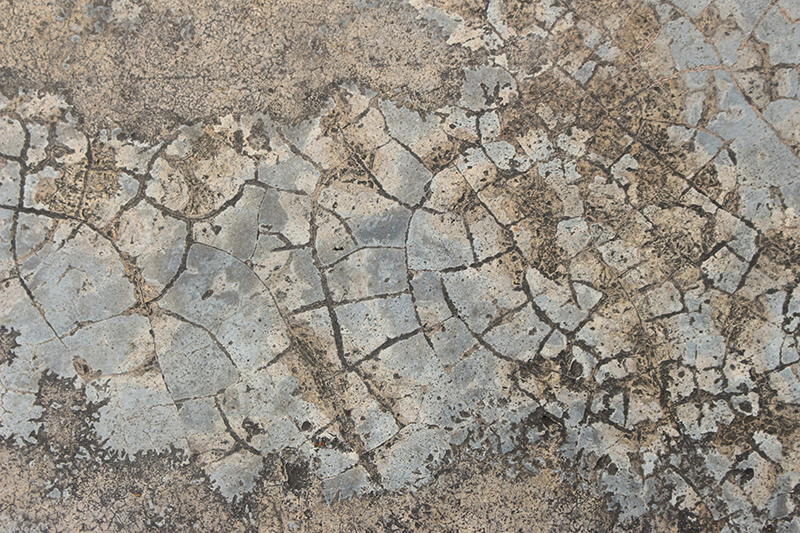
Spalling concrete, known commonly as “concrete cancer”, starts when the steel bars embedded in the concrete slab begin to rust. This rusting process causes expansion and pressure in the concrete, leading to the spalling of concrete. It presents as weathered, coarse rocky concrete aggregate and holes left on the concrete surface, making it unsightly and potentially hazardous.
Causes and Symptoms of Spalling of Concrete
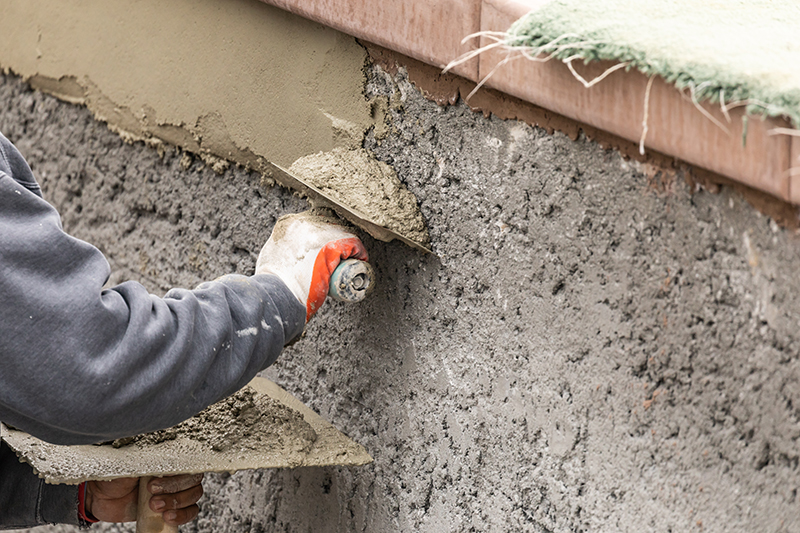
Carbonation is the primary culprit for spalling concrete. This process occurs when carbon dioxide, present in the air, reacts with moisture in the concrete creating carbonate. Carbonate reduces the alkalinity of concrete which causes the steel bars to rust. This is primarily seen in older buildings or concrete structures longer in use without proper ventilation.
Impact and Risks Associated with Spalling Concrete
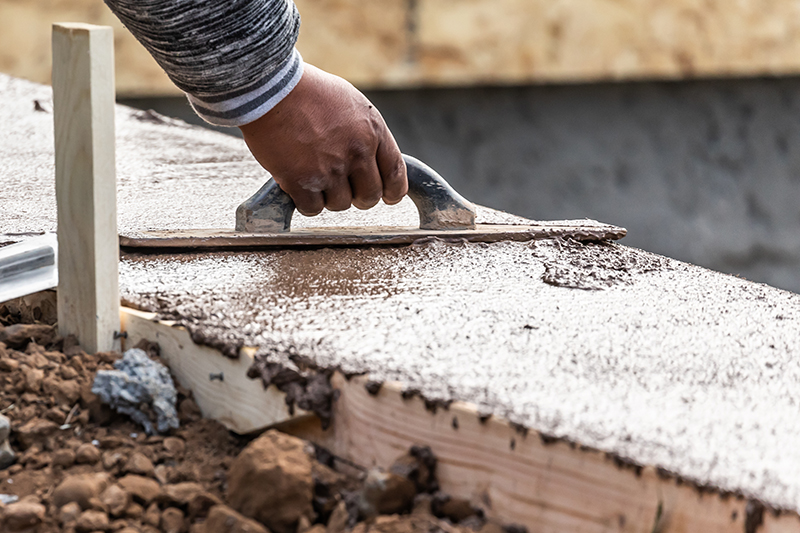
Beyond its unsightly appearance, spalling concrete can be a potential hazard, with pieces of the ceiling slab falling off, risking injury to people and property. Moreover, it threatens the structural integrity of the building. Therefore, early spalling concrete repair is crucial to prevent further devastation.
Spotting Problematic Concrete Slabs
Signs of a Concrete
Slab Needing
Repair
Signs of spalling concrete include flaky, cracked, or pitted concrete surfaces, with rusted steel bars often visible through such openings. Keeping an eye out for these symptoms is critical to catching the issue early before it spirals into a bigger problem.
Interpreting Hairline Concrete Cracks on the Paint
All cracks are not created equal – some are harmless, while others are a sign of a big problem. Hairline cracks might be cosmetic, but wider, deeper cracks below the paint surface could signal an issue requiring immediate attention.
Noticing Uneven Surfaces on walls or ceiling
Uneven surfaces, sagging, or sloping on concrete walls or ceilings are visual cues of instability and structural issues that homeowners can spot themselves before calling in a professional inspector for further evaluation and repair of deteriorating concrete.